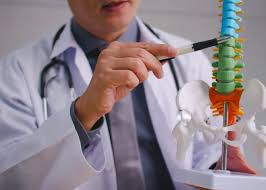
Best Orthopedic Doctor Tampa: Advanced Treatment Options
Finding the right orthopedic specialist is essential for maintaining mobility, reducing pain, and improving overall quality of life. In recent years, demand for orthopedic care has increased due to aging populations, sports injuries, and lifestyle-related conditions. Many patients actively search for the best orthopedic doctor tampa to ensure they receive accurate diagnoses and advanced treatment solutions tailored to their needs.
Orthopedic conditions can range from minor joint discomfort to complex musculoskeletal disorders. According to healthcare statistics, nearly 1 in 4 adults experience joint pain at some point, making orthopedic care a critical part of modern medicine. Patients often ask what defines the best orthopedic doctor tampa, and the answer lies in experience, use of advanced technology, patient outcomes, and a personalized approach to treatment.
What conditions do orthopedic doctors commonly treat?
Orthopedic specialists manage issues such as arthritis, fractures, ligament injuries, back pain, and sports-related injuries. With advancements in medical science, many treatments now focus on minimally invasive procedures, reducing recovery time and improving long-term outcomes.
What are the latest treatment options available?
Modern orthopedic care includes robotic-assisted surgery, regenerative medicine such as platelet-rich plasma (PRP) therapy, and advanced physical rehabilitation techniques. Studies show that minimally invasive surgeries can reduce hospital stays by up to 50% compared to traditional procedures.
How do you choose the right orthopedic doctor?
Patients should consider board certification, specialization, patient reviews, and success rates. Transparency in treatment plans and clear communication are also key indicators of a reliable specialist. Many individuals searching for the best orthopedic doctor tampa prioritize doctors who offer comprehensive care, from diagnosis to rehabilitation.
What role does technology play in orthopedic care?
Technology has transformed orthopedic treatments significantly. Imaging tools like MRI and CT scans allow for precise diagnosis, while computer-assisted surgeries improve accuracy. Data indicates that technology-driven procedures can enhance surgical precision by over 30%, leading to better patient outcomes.
Is non-surgical treatment effective?
Yes, non-surgical treatments such as physical therapy, medication, and lifestyle modifications are often the first line of care. Research suggests that nearly 60% of orthopedic conditions can be managed without surgery when diagnosed early.
What should patients expect during recovery?
Recovery varies depending on the condition and treatment method. However, structured rehabilitation programs and adherence to medical advice significantly improve recovery speed and effectiveness.
In conclusion, orthopedic care continues to evolve with innovative techniques and patient-centered approaches. Choosing a skilled and experienced specialist ensures not only effective treatment but also long-term health benefits.